A missing or mismatched antenna can reflect RF power toward a transmitter's output stage.
Why must a video transmitter have an antenna before transmitting?
An RF transmitter expects a suitable antenna and feed line. If the antenna is absent, loose, damaged or mismatched, some power can be reflected back toward the output stage. Higher power and longer operation increase stress and heat.
Forward and reflected power
A matched load absorbs delivered power. A mismatch raises reflected power and standing-wave ratio. This does not imply that every brief mismatch causes immediate failure; it means the unit is outside its intended load condition. Follow the manual for the specific device rather than assuming that a brief low-power test is harmless.
An attached antenna may still be unsuitable if designed for another band, fitted through a poor adapter, connected through damaged coax or mounted against conductive material. “Connected” and “properly matched” are separate checks.
Before applying power
Confirm the correct connector and frequency-band antenna. Seat it securely, inspect the coax and adapters, and ensure the antenna is not trapped against conductive structure. Check channel and power mode. If the link is unexpectedly weak or the transmitter runs hot, inspect the RF path before increasing power.
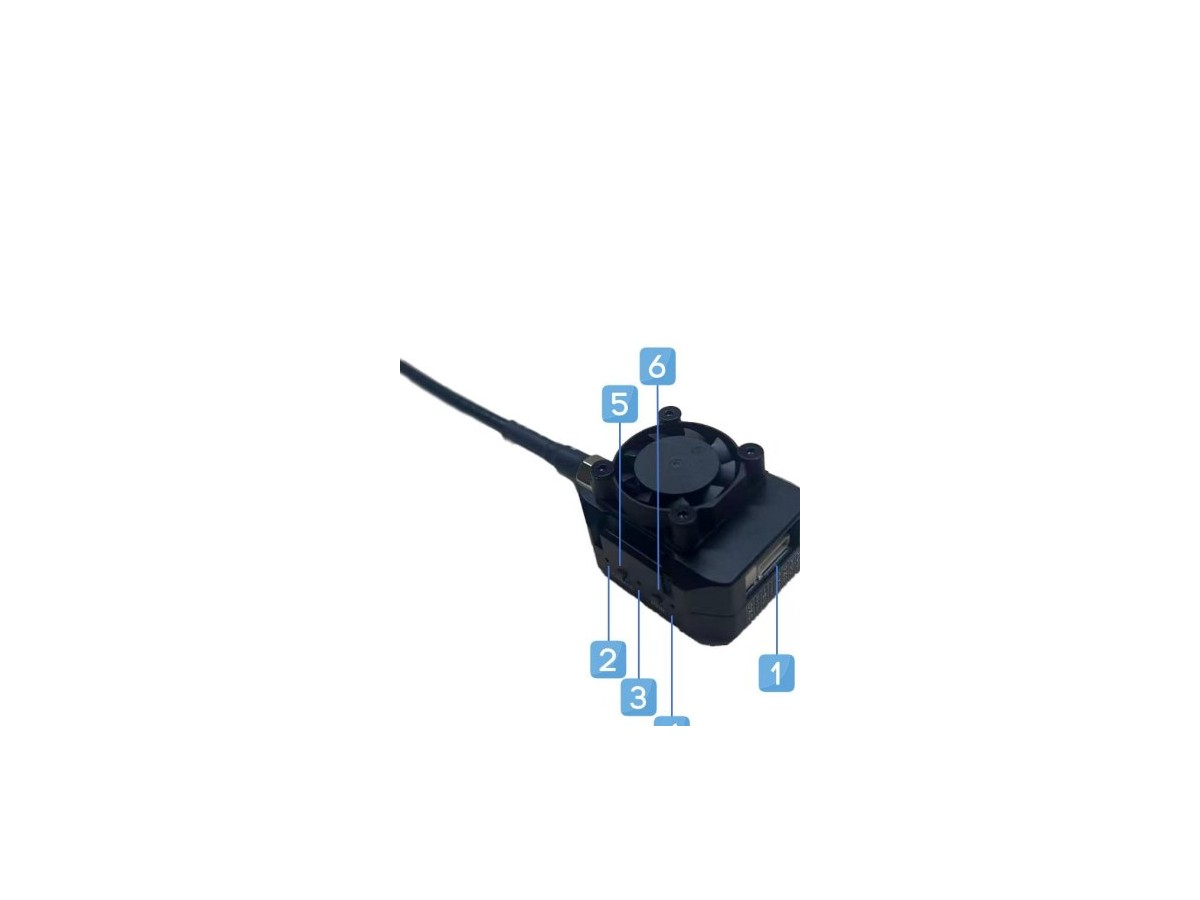
The antenna is a functional part of the system, not an optional accessory.