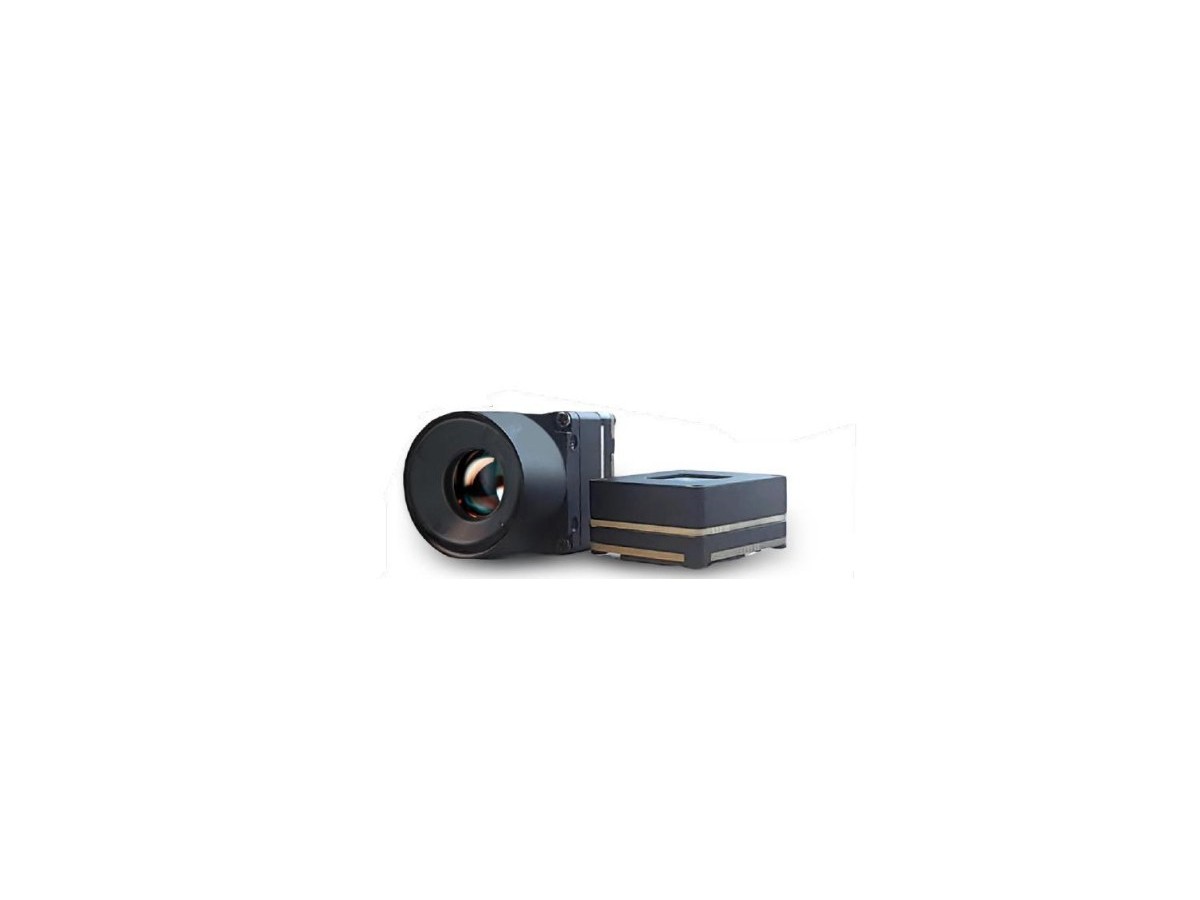
Thermal cameras detect emitted infrared radiation and turn differences into a visible image.
How can thermal imaging see without visible light?
Objects above absolute zero emit infrared radiation. A thermal sensor, often working around the 8–14 μm long-wave infrared band, measures it without needing reflected daylight. The displayed colors or brightness represent detected radiation, not a direct visible-light photograph or automatically accurate surface temperatures.
What affects the reading?
Emissivity, reflected surroundings, humidity and distance matter. Shiny metal may reflect the environment and appear unexpectedly cool or warm. Temperature measurement needs calibration and suitable conditions.
Four useful specifications
Infrared resolution counts actual thermal pixels; display resolution may only upscale them. NETD describes the ability to distinguish small temperature differences under defined conditions; lower NETD can help subtle contrast but is not a complete quality metric. Lens field of view sets coverage and the number of pixels on a target. Frame rate matters when the subject or platform moves.
Some modules use shutterless non-uniformity-correction algorithms intended to reduce interruption during mobile observation. “Shutterless” alone does not establish image stability or temperature accuracy; compare specific hardware and recorded footage.
Choose for the mission
Define target size, distance and whether you need temperature measurement or detection. Compare real imagery at the intended range and conditions. Rain, fog, windows and some materials can reduce or block long-wave infrared information. Visible-light context can help identify what a thermal shape represents.