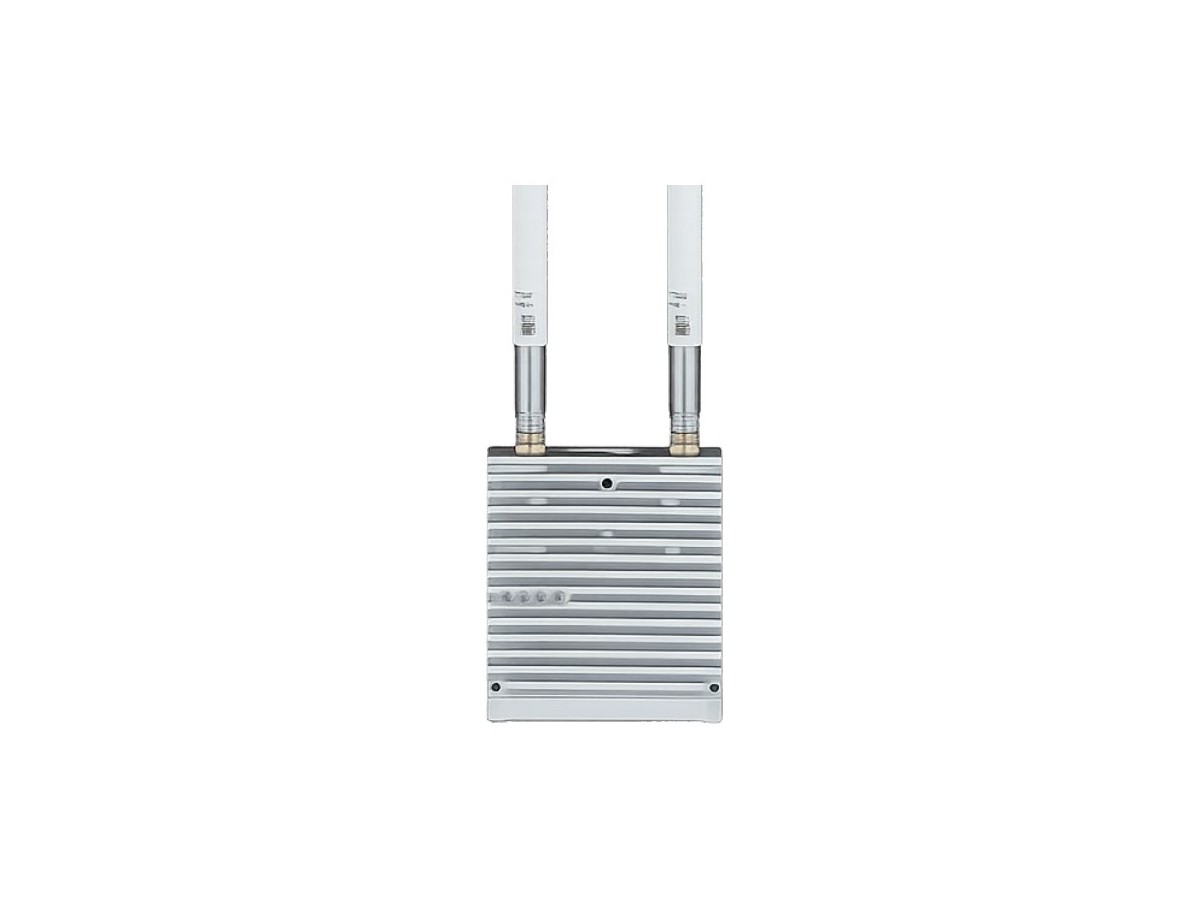
Compatible nodes can create and change forwarding paths when a direct link is obstructed.
Why Mesh networks suit mobile systems and emergency sites
At mobile sites, terrain, buildings or vehicles may interrupt a fixed link. A Mesh system lets compatible nodes exchange data and, where supported, relay it through another node.
Nodes and alternate paths
A node may send directly or use one or more relay hops. As nodes move or leave, the network can establish another available relationship if coverage and configuration permit. This is useful for a distributed field site, but it does not ensure that every node always stays connected.
Relays consume airtime
A relay must receive data and then transmit it. On a shared half-duplex channel, forwarding occupies additional airtime and can lower usable throughput or increase delay. Multiple video streams share this capacity; summing encoded bitrates alone ignores overhead and margin.
A practical plan has four stages: map node roles; estimate streams and relay airtime; check frequency, antennas, heights and obstructions; and test direct and relay paths while nodes move. Record recovery behavior, not only static connectivity.
Plan and measure
List node roles, frequency, expected stream rates and likely obstructions. Check antenna height and line of sight. Test direct and relayed paths separately; then move nodes through realistic positions while measuring throughput, loss and recovery time. A ZYRO Link point-to-multipoint test and a multi-hop MESH report describe different arrangements, each with its own test conditions.