Diversity gives a receiver another path when reflections or orientation create a deep signal fade.
Why two receive antennas do not double range: diversity reception
A moving aircraft changes antenna orientation and the way direct and reflected waves arrive. At some positions these waves combine poorly, causing a deep fade even though the average path is viable. A second antenna in another location or orientation may avoid that fade.
How diversity helps
Depending on receiver design, diversity can select the stronger path or combine paths. Spatial separation, polarization and pattern differences reduce the chance that both paths fade together. This can improve continuity; it does not guarantee twice the range. Two poorly installed antennas may still fail at the same time.
The peak gains of two antennas cannot simply be added. Diversity changes the chance of preserving a usable receive path; the actual selected or combined signal and receiver design still determine link performance.
Check the installation
Keep antennas clear of metal and other shielding. Follow spacing and polarization guidance, inspect both connectors, and confirm that each receiver input is active. A directional-plus-omnidirectional setup serves different parts of a route, so test it while the aircraft moves. Record signal and image interruptions along the same path before and after changing placement.
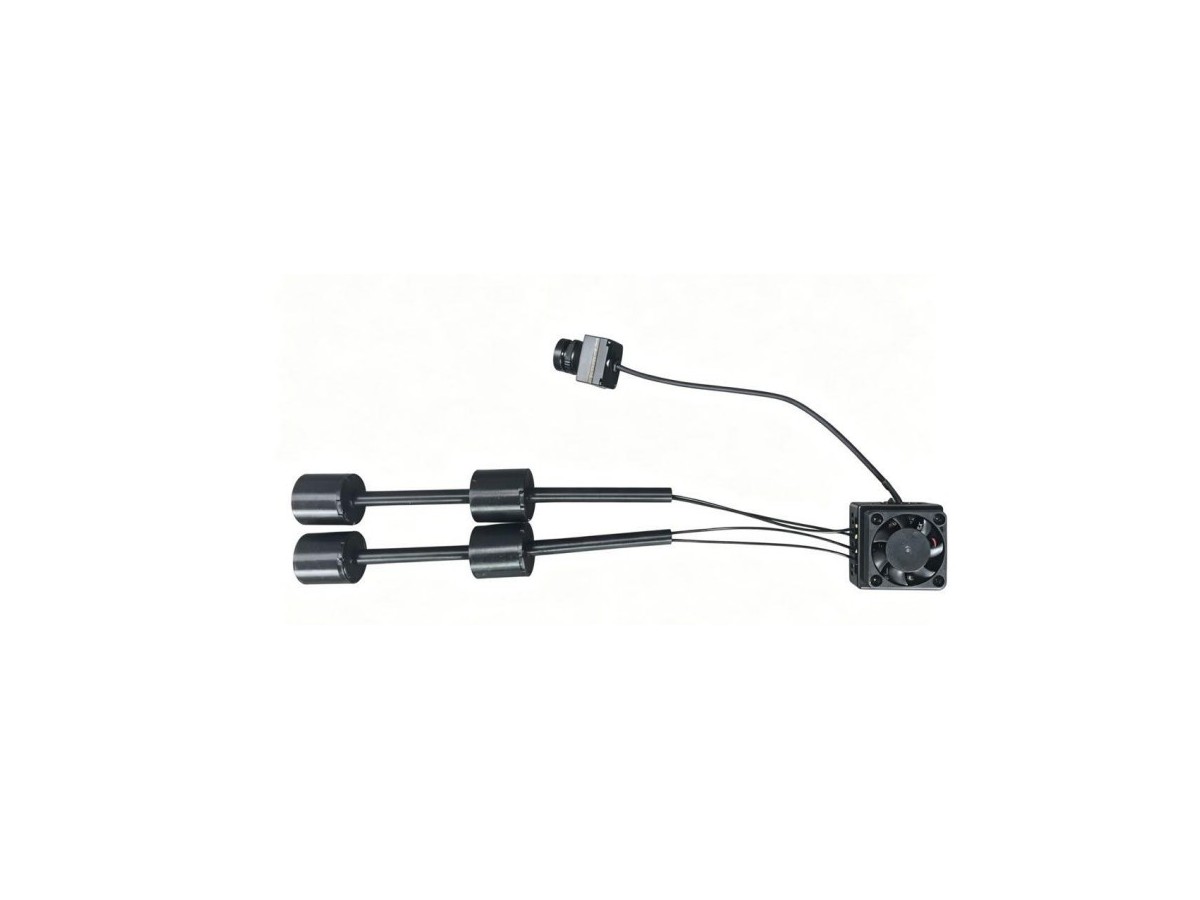
Frequency interference, insufficient link margin and terrain obstruction still need their own investigation.